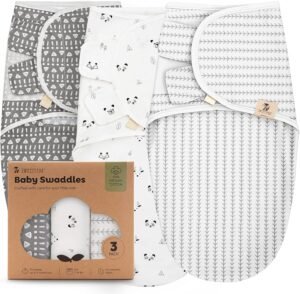
Few things matter more in the early months than helping your baby sleep safely and comfortably. One of the simplest tools parents reach for is a swaddle—especially when it’s made from a fabric that feels gentle against delicate skin. Below is a practical guide to choosing the softest baby swaddles for better sleep, what materials to look for, and how to use them effectively.
Why Softer Swaddles Can Support Better Sleep
Newborns are used to the snug, contained feeling of the womb. A soft swaddle can help recreate that secure sensation while reducing startle reflex (the Moro reflex), which can wake babies unexpectedly. The right swaddle can also minimize friction, heat buildup, and irritation—factors that often interfere with restful sleep.
- Comfort: Softer fabrics reduce scratchiness and rubbing on sensitive skin.
- Calm: Gentle compression can feel soothing and help babies settle.
- Consistency: A reliable swaddle routine can signal “sleep time.”
What “Soft” Really Means: Fabrics That Perform Best
Softness isn’t only about how a swaddle feels in the store—it’s also about breathability, stretch, durability, and how the fabric behaves after repeated washing.
Top fabric choices for ultra-soft swaddles
- Muslin (cotton): Lightweight, breathable, and gets softer with washing; great for warm rooms or layered sleep systems.
- Bamboo viscose: Often exceptionally smooth with good drape; tends to feel cool to the touch and is popular for sensitive skin.
- Jersey knit: Stretchy and cozy, similar to a soft T-shirt; can be easier for beginners to wrap snugly.
- Organic cotton: A strong choice for parents prioritizing fewer chemical inputs; softness varies by weave and finish.
Softness “bonus points” features
- Pre-washed labeling (often softer from day one).
- Flat seams or minimal stitching (reduces rubbing).
- Generous size (helps create a secure wrap without over-tightening).
Choosing the Right Swaddle Style (and Why It Matters)
Soft fabric is important, but the style affects how consistently you can swaddle and how well your baby stays comfortable throughout sleep.
- Traditional swaddle blankets: Versatile and breathable; requires some technique.
- Swaddle sacks (Velcro/zip): Fast, consistent, and often ideal for sleep-deprived nights.
- Transitional swaddles: Useful when your baby starts rolling and you need to move away from arms-in swaddling.
A Soft Swaddle Worth Considering
If you want a swaddle that prioritizes softness and simple wrapping—especially for middle-of-the-night changes—this is a popular option to consider: Check out Soft Swaddles to learn more.
How to Pick the Softest Swaddle for Your Baby
Every baby is different, so the “best” swaddle is the one that matches your baby’s comfort needs, your climate, and your sleep routine.
Quick checklist before you buy
- Season and room temperature: Choose lighter muslin for warmer conditions; consider slightly thicker knits for cooler rooms.
- Skin sensitivity: Look for smooth, breathable materials (bamboo blends or high-quality cotton) and avoid rough textures.
- Stretch level: Some babies settle better with a bit of stretch; others prefer a more structured wrap.
- Ease of use: If you struggle to get a secure wrap, a swaddle sack can improve consistency and reduce frustration.
- Wash durability: Softer fabrics should stay soft—check reviews for pilling, shrinking, or stiffness after laundering.
Using Soft Swaddles Safely (Sleep Comes Second to Safety)
Even the softest swaddle must be used correctly. Follow safe sleep guidance and always prioritize your baby’s ability to breathe and move appropriately.
- Back to sleep: Always place your baby on their back for sleep.
- Not too tight: The swaddle should be snug around the chest but allow room for hips and legs to move.
- Watch for overheating: If your baby is sweaty, flushed, or hot to the touch, adjust layers or switch to a lighter swaddle.
- Stop arms-in swaddling when rolling starts: Once your baby shows signs of rolling, transition to a safer sleep option (such as arms-free sleep sacks), following pediatric guidance.
Care Tips to Keep Swaddles Feeling Soft
Proper care can make a big difference in maintaining that just-bought softness.
- Wash with a gentle, fragrance-free detergent if your baby has sensitive skin.
- Avoid fabric softeners (they can reduce breathability and irritate skin).
- Tumble dry low or line dry as recommended to prevent stiffness and shrinkage.
- Store swaddles dry and clean to avoid musty odors that can cling to fabric.
Final Thoughts
The softest baby swaddles combine gentle fabric, breathable construction, and a secure (but not restrictive) fit. Whether you choose classic muslin, bamboo blends, or stretchy jersey, a high-quality swaddle can make bedtime calmer and more consistent—for both baby and parents.