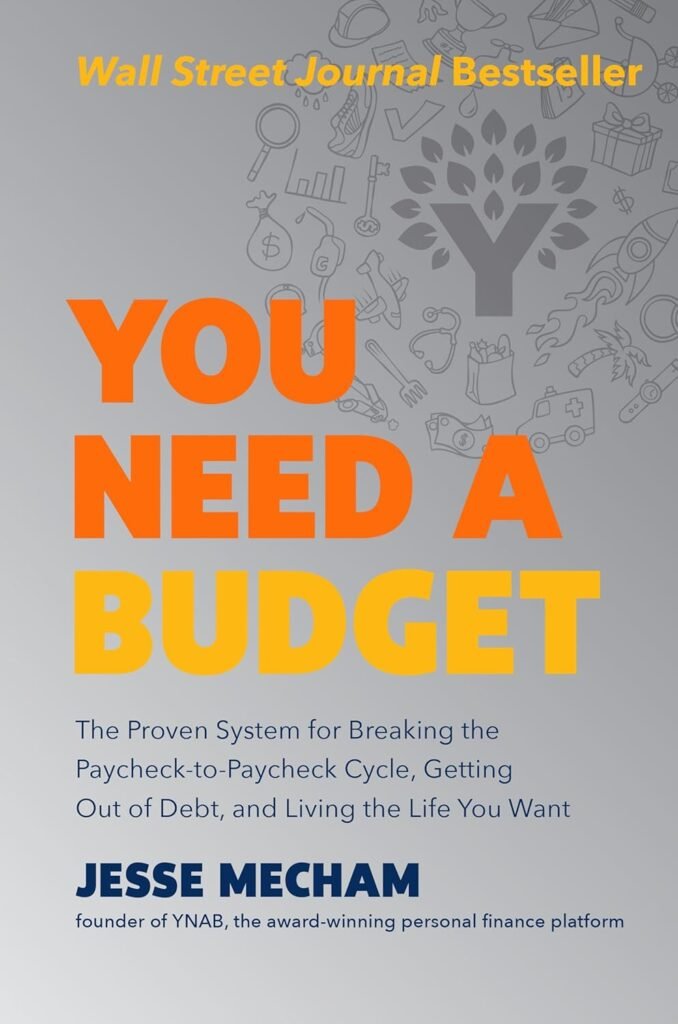
How to Plan Smartly for Monthly Expenses
Managing your monthly expenses can be a daunting task, especially if you’re not sure where to start. With a bit of guidance and a solid plan, you can ensure you’re not only covering essential costs but also putting money aside for savings or personal goals. This guide will help you outline a strategy to plan smartly for your monthly expenses.
1. Analyze Your Current Spending Habits
The first step toward smart expense planning is understanding how you currently spend your money. Take some time to go through your bank statements and receipts to identify patterns in your spending.
- Identify fixed expenses: These are costs that occur every month, like rent or mortgage payments, utilities, and insurance.
- Spot variable expenses: These include groceries, dining out, entertainment, and shopping, which can vary from month to month.
- Review your discretionary spending: This can be minimized to save more towards your goals.
2. Create a Realistic Budget
Once you have a clear picture of your spending habits, it’s time to create a budget that reflects your income and helps you allocate funds appropriately.
- Calculate your total income: Include all sources of income, such as your salary, freelance work, or investment returns.
- List your fixed and variable expenses: Ensure every essential cost is accounted for in your budget.
- Set limits on discretionary expenses: Allocate a specific amount for non-essential spending.
- Include savings as an “expense”: Treat saving a part of your budget, not just an afterthought.
One effective way to manage your budget is by using the 50/30/20 rule: allocate 50% of your income for needs, 30% for wants, and 20% for savings.
3. Track Your Spending
Sticking to a budget requires regular monitoring of your spending to ensure you’re staying on track. Use digital apps or traditional methods like a budget notebook to record your expenses consistently.
4. Adjust Your Plan as Necessary
Life circumstances change, and so will your financial situation. Be sure to revisit and adjust your budget regularly to reflect these changes.
- Review your budget monthly to ensure it’s still aligned with your goals.
- Make necessary adjustments, such as cutting down on dining out or increasing savings if your income changes.
Enhance Your Budget Planning Skills
For more advanced budgeting strategies, you might want to implement tools designed to streamline this process. Check out the Audible to learn more about the advanced techniques in financial management and budgeting. It could offer insight into efficiently managing your expenses, potentially saving you money in the long run.
Conclusion
Planning your monthly expenses smartly can lead to greater financial stability and peace of mind. By analyzing your spending habits, creating a realistic budget, tracking your expenses, and adjusting as needed, you can smartly manage your finances every month. Remember, the key to success lies in consistency and making informed financial decisions.