Freelancing offers the flexibility to work on your own terms, but it also comes with the responsibility of managing your own finances, including taxes. Understanding the various tax deductions available to freelancers can help you save money and ensure compliance. In this article, we’ll explore some of the essential tax deductions every freelancer should know.
1. Home Office Deduction
If you use a dedicated space in your home exclusively for work, you may be eligible for a home office deduction. This covers a portion of your rent, mortgage interest, utilities, and other related expenses. To qualify, ensure your workspace is used regularly and exclusively for business purposes.
2. Equipment and Supplies
Freelancers can deduct the cost of equipment and supplies necessary for their business. This includes:
- Computers, printers, and other electronic devices
- Office supplies such as paper, pens, and ink cartridges
- Software and online tools
Keep receipts and invoices to substantiate these expenses.
3. Travel Expenses
Travel expenses incurred for work-related trips are deductible. This includes transportation, lodging, and meals. It’s important to maintain detailed records of the purpose of each trip and the associated costs.
4. Marketing and Advertising
Expenses related to marketing and advertising, such as website development, online advertising, business cards, and promotional materials, are valid deductions. These expenditures are crucial for promoting your business and attracting new clients.
5. Professional Services and Education
Freelancers often need to hire professional services such as accountants or lawyers. These costs, along with any educational expenses related to maintaining or improving your skills, can be deducted.
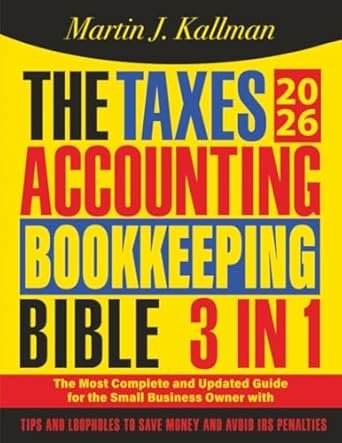
As a freelancer, staying informed and organized with your finances is crucial. For a comprehensive guide on managing freelance taxes, consider exploring tools that simplify the process. Check out [Freelancer Tax Pro Tool] to learn more.
6. Health Insurance Premiums
If you are self-employed, you might be eligible to deduct health insurance premiums paid for yourself, your spouse, and your dependents. This deduction is particularly beneficial because it can reduce your adjusted gross income.
7. Miscellaneous Business Expenses
There are numerous other potential deductions, such as:
- Internet and Phone Bills: Deduct the portion used for business purposes.
- Bank Fees: Fees related to maintaining a business account or payment processing.
- Business Meals: Meals with clients or partners can be partially deductible.
Remember, keeping detailed and organized records is essential for substantiating your deductions and ensuring compliance with tax regulations. Consult a tax professional to ensure you are maximizing your deductions and adhering to IRS guidelines.
By understanding and leveraging these deductions, freelancers can significantly reduce their tax burden and ensure their financial success in a competitive and dynamic work environment.