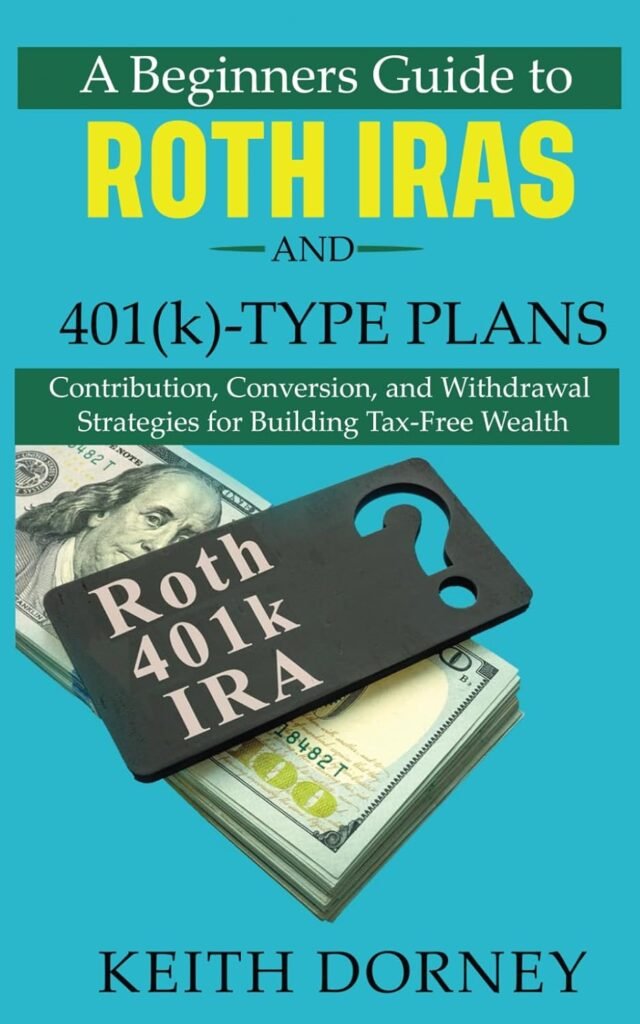
Beginner’s Guide to Roth IRAs
If you’re planning for your future and considering different retirement savings options, you’ve likely come across Roth IRAs. A Roth IRA is a type of retirement account that offers unique tax advantages, making it a popular choice for many retirement savers. This guide will walk you through the essentials you need to know as a beginner.
What is a Roth IRA?
A Roth IRA, or Roth Individual Retirement Account, is a retirement savings account that allows your money to grow tax-free. Unlike traditional IRAs, contributions to a Roth IRA are made with after-tax dollars, which means you’ve already paid taxes on the money you contribute. The key benefit of a Roth IRA is that, under certain conditions, your withdrawals in retirement are tax-free.
Key Benefits of a Roth IRA
- Tax-Free Withdrawals: One of the most appealing features is the ability to take out your funds tax-free in retirement, provided certain requirements are met.
- Flexible Withdrawal Options: Contributions (but not earnings) can be withdrawn at any time without penalty, offering some liquidity.
- No Required Minimum Distributions: Unlike traditional IRAs, Roth IRAs don’t require you to start withdrawing funds at a certain age.
- Diverse Investment Options: From stocks and bonds to mutual funds, a Roth IRA provides a wide range of investment opportunities.
Steps to Start a Roth IRA
- Determine Eligibility: Ensure that your income falls below the IRS limits for contributing to a Roth IRA.
- Open an Account: You can open a Roth IRA through banks, brokerage firms, or mutual fund companies.
- Fund Your Account: Start contributing to your account. The annual maximum contribution is subject to change, so be sure to check the current limits.
- Select Your Investments: Choose from available investment options that match your risk tolerance and financial goals.
- Monitor and Adjust: Regularly review your investment choices to ensure they align with your retirement objectives.
If you’re considering the best way to start a Roth IRA or looking for the right investment strategy, it’s crucial to have reliable resources. Check out The Ultimate Roth IRA Guide to learn more.
Are Roth IRAs Right for You?
While Roth IRAs offer numerous advantages, they may not be the best option for everyone. Consider the following factors when making your decision:
- Current Tax Rate vs. Future Tax Rate: If you believe your tax rate will be higher in retirement, a Roth IRA might be more beneficial.
- Ability to Make Roth IRA Contributions: Ensure your income level is within IRS stipulated limits to make contributions.
- Long-Term Investment Horizon: Roth IRAs are often more advantageous for those who plan to leave their savings untouched for a longer period.
In conclusion, a Roth IRA can be a powerful tool for retirement planning, offering tax-free growth and flexible use. As with any financial product, it’s important to do your research and consider how it fits into your overall retirement strategy. With proper planning, a Roth IRA can help secure a more comfortable and financially independent retirement.