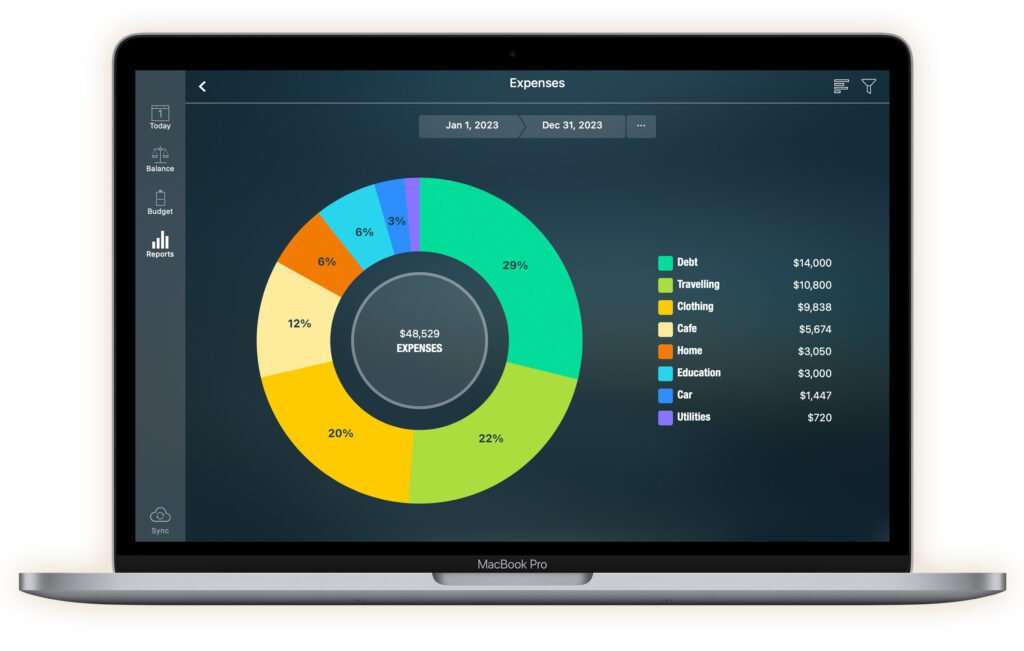
Freelancing offers a level of flexibility and independence that traditional jobs often don’t provide. However, with this freedom comes the challenge of managing irregular income and planning for long-term financial health. For freelancers, maintaining financial wellness is crucial to sustain their business and personal lives. Here are some simple financial wellness tips tailored for freelancers.
1. Budgeting Is Key
Budgeting can help freelancers manage irregular income effectively. Here’s how to start:
- Track your income and expenses for a few months to understand your financial patterns.
- Create a realistic budget that considers both fixed and variable expenses.
- Set aside funds for taxes, as freelancers need to pay estimated taxes quarterly.
2. Build an Emergency Fund
Income volatility is a common issue in freelancing. An emergency fund can be your safety net during lean periods:
- Aim to save at least three to six months’ worth of living expenses.
- Automate transfers to your emergency savings account whenever you receive payment for a project.
3. Separate Business and Personal Finances
Maintaining separate accounts for your business and personal finances simplifies tracking expenses, and can be helpful during tax season. It also helps in evaluating the financial health of your freelance business.
4. Diversify Your Income Streams
Relying on a single client for your livelihood is risky. Instead, diversify your work portfolio:
- Consider taking multiple clients or projects to steady your income flow.
- Explore passive income opportunities, such as writing an eBook, creating online courses, or affiliate marketing.
In the context of diversifying your income, there are numerous tools that can assist in managing your multiple revenue streams. One such tool that’s particularly user-friendly for freelancers is the Finance Tracker Pro. It not only helps track your income and expenses but also offers features to manage multiple revenue streams.
Check out Finance Tracker Pro to learn more about how it can optimize your financial tracking and enhance your earning potential.
5. Plan for Retirement
Unlike traditional employment, freelancers don’t have employer-sponsored retirement plans. But planning for retirement is crucial:
- Consider opening an Individual Retirement Account (IRA) or a Solo 401(k).
- Set up automatic contributions to ensure consistency in your retirement savings.
6. Invest in Insurance
Insurance is essential to protect against unforeseen events that can impact your work. Consider:
- Health insurance, which is vital for managing medical expenses.
- Disability insurance, which can cover lost income if you’re unable to work due to illness or injury.
Financial wellness for freelancers may seem complex, but with deliberate planning and disciplined execution, it can be simplified. By adopting these tips, you can create a more secure and stable financial future while enjoying the freedoms of freelancing. Remember, a little bit of proactive financial management today can go a long way in ensuring peace of mind tomorrow.