
Peppermint is a versatile and aromatic herb celebrated for its myriad therapeutic benefits, including its potential to aid in achieving a natural and restful sleep. While it has been extensively used for digestive issues and stress relief, its role in promoting sleep is gaining attention. Here, we delve into how peppermint can be pivotal in enhancing your sleep quality.
The Science Behind Peppermint and Sleep
Peppermint contains high levels of menthol, which is known for its relaxing properties. This natural compound can effectively soothe your senses, making it easier for the body to transition into sleep. Here are some ways in which peppermint contributes to better sleep:
- Relaxation: Menthol acts on the body’s nervous system to promote relaxation by reducing feelings of anxiety and stress, leading to a calmer mind.
- Respiration Support: Peppermint can open up airways and improve breathing, which is particularly beneficial for those who suffer from sleep apnea or other respiratory issues.
- Digestive Aid: Since digestive discomfort can disrupt sleep, peppermint’s ability to alleviate indigestion and bloating can contribute to more restful nights.
Methods to Use Peppermint for Better Sleep
Incorporating peppermint into your nighttime routine can be simple and effective. Consider the following methods:
- Peppermint Tea: A warm cup of peppermint tea before bed can help relax your muscles and mind.

- Aromatherapy: Use peppermint essential oil in a diffuser to fill your room with calming aromas.
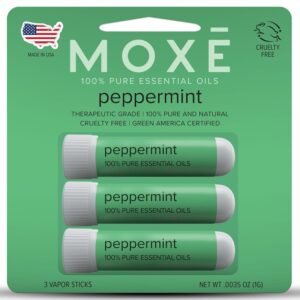
- Topical Application: Applying diluted peppermint oil on your temples or neck can reduce tension and promote relaxation.

While peppermint on its own can work wonders, for those seeking enhanced and holistic support, consider integrating natural supplement options into your regimen.
Check out Natural Sleep Peppermint Blend to learn more about a carefully crafted product that combines the benefits of peppermint with other sleep-enhancing ingredients.
Additional Tips for Improving Sleep Naturally
While peppermint is beneficial, combining it with other healthy sleep practices can further boost your sleep quality. Here are some tips:
- Maintain a Sleep Schedule: Going to bed and waking up at the same time each day helps regulate your body’s clock.
- Create a Relaxing Environment: Ensure your bedroom is quiet, dark, and cool, and reserve it only for rest and relaxation.
- Limit Screen Time: Reducing exposure to screens at least an hour before sleep can help your brain settle into rest mode.
By blending the natural properties of peppermint with smart lifestyle choices, you can cultivate a sleep environment that facilitates rest and rejuvenation, harnessing nature’s power to attain a tranquil, restful night’s sleep.