How to Start a Garden for Herbal Remedies
Cultivating a garden dedicated to herbal remedies is a fulfilling endeavor that combines the therapeutic benefits of gardening with the practical advantages of having fresh, medicinal herbs at your fingertips. This guide will walk you through the process of creating your own herb garden, providing you and your family with natural remedies for various ailments.
Step 1: Planning Your Herb Garden
Before you start digging, it is essential to plan your garden. Consider the following factors:
- Location: Choose a spot with ample sunlight, as most herbs thrive in sunny environments.
- Soil Quality: Ensure your selected area has well-drained soil. You may need to amend the soil with compost or sand to improve its texture and drainage.
- Space: Decide how much space you have for your herbs. This will influence the number and type of herbs you can grow.
Step 2: Selecting Your Herbs
Choose herbs based on your personal needs and the potential remedies they offer. Here’s a list of popular medicinal herbs:
- Lavender: Known for its calming effects, great for anxiety and insomnia.
- Peppermint: Aids in digestion and helps relieve headaches.
- Chamomile: Soothes the stomach and acts as a mild sedative.
- Lemon Balm: Excellent for reducing stress and anxiety, and uplifting the mood.
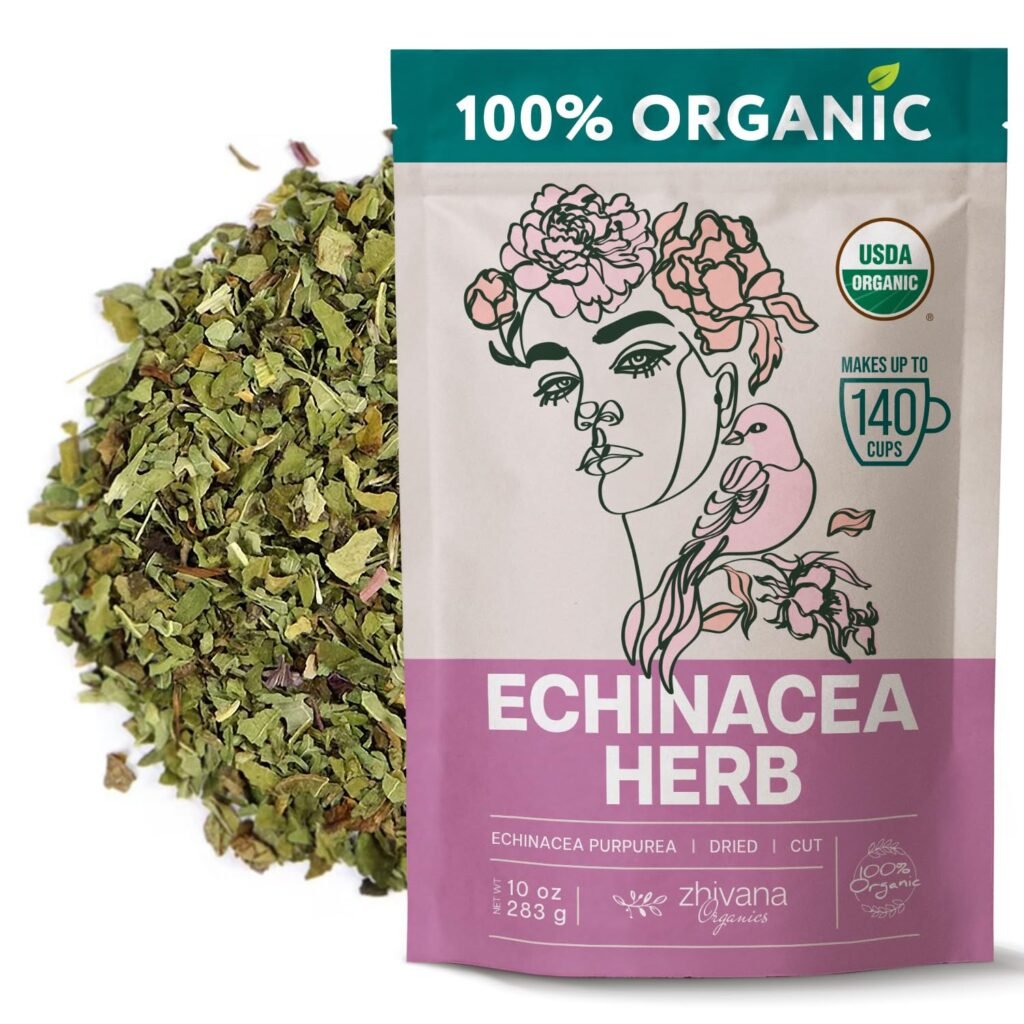
- Echinacea: Boosts the immune system and is commonly used in cold prevention.
Starting Your Herb Garden: Essential Tools
You’ll need some basic tools to get started:
- Gardening Gloves: Protect your hands while planting and weeding.
- Trowel: Perfect for digging small holes for your herbs.
- Watering Can: Essential for keeping your herbs hydrated.
- Pruning Shears: Useful for trimming your plants and encouraging new growth.
Step 3: Planting and Maintaining Your Herb Garden
Once you’ve planned your garden and gathered your supplies, it’s time to plant your herbs:
- Layout: Arrange the herbs in a way that best suits their growth habits and your garden’s design.
- Planting: Follow the specific planting instructions for each herb, ensuring they are spaced correctly.
- Watering: Regularly water the herbs, especially during dry spells, but be careful not to overwater them.
- Pest Control: Use organic pest control methods to maintain the health of your herbs.
As your garden begins to grow, you may find it helpful to invest in some guides and resources for maintaining and using your herbs effectively. Consider checking out the Herbal Remedies Guide for in-depth information on the benefits and uses of various herbs.
Step 4: Harvesting and Using Your Herbs
Knowing when and how to harvest your herbs is crucial for preserving their medicinal properties:
- Timing: Generally, harvest herbs in the morning after the dew has dried but before the sun gets too hot.
- Method: Use sharp scissors or pruning shears to cut the stems, encouraging further growth.
- Preservation: Dry or freeze your herbs if you need to store them for later use.
By following these steps and giving your garden the attention it requires, you’ll create a bountiful source of natural herbal remedies right in your backyard, promoting well-being and health for you and your family.