Investing is an essential component of personal finance planning. While there are numerous ways to invest, index funds have become increasingly popular due to their simplicity and cost-effectiveness. If you’re new to the world of investing, this article will provide an introductory guide to index fund investing, helping you understand the basics and make informed decisions about your financial future.
What Are Index Funds?
Index funds are a type of mutual fund or exchange-traded fund (ETF) designed to track the performance of a specific market index, such as the S&P 500 or the NASDAQ-100. These funds aim to replicate the performance of the index they’re tracking by holding a diverse portfolio of assets included in that index.
Benefits of Index Fund Investing
Investing in index funds offers several advantages, making them an attractive option for both novice and experienced investors. Below are some key benefits:
- Low Costs: Index funds generally have lower expense ratios compared to active funds, as they require less management and research.
- Diversification: By investing in a variety of assets across a market index, index funds provide instant diversification, which can reduce risk.
- Consistent Performance: Since they mirror the market index, index funds tend to deliver returns that are consistent with overall market averages.
- Simplicity: Index fund investing is straightforward, requiring investors to simply select a fund that mirrors their desired index.
How to Start Investing in Index Funds
Getting started with index fund investing is relatively easy. Follow these steps to begin your investment journey:
- Research and Select a Broker: Choose a brokerage firm that offers index funds matching your investment goals and has user-friendly platforms.
- Open an Account: Set up an investment account with the broker, whether it’s a taxable account or a retirement account like an IRA.
- Select Your Index Fund: Decide on the index you want to track, and choose funds based on their past performance, expense ratios, and other factors.
- Invest and Monitor: Make your initial investment and keep an eye on your fund’s performance over time, making adjustments as necessary.
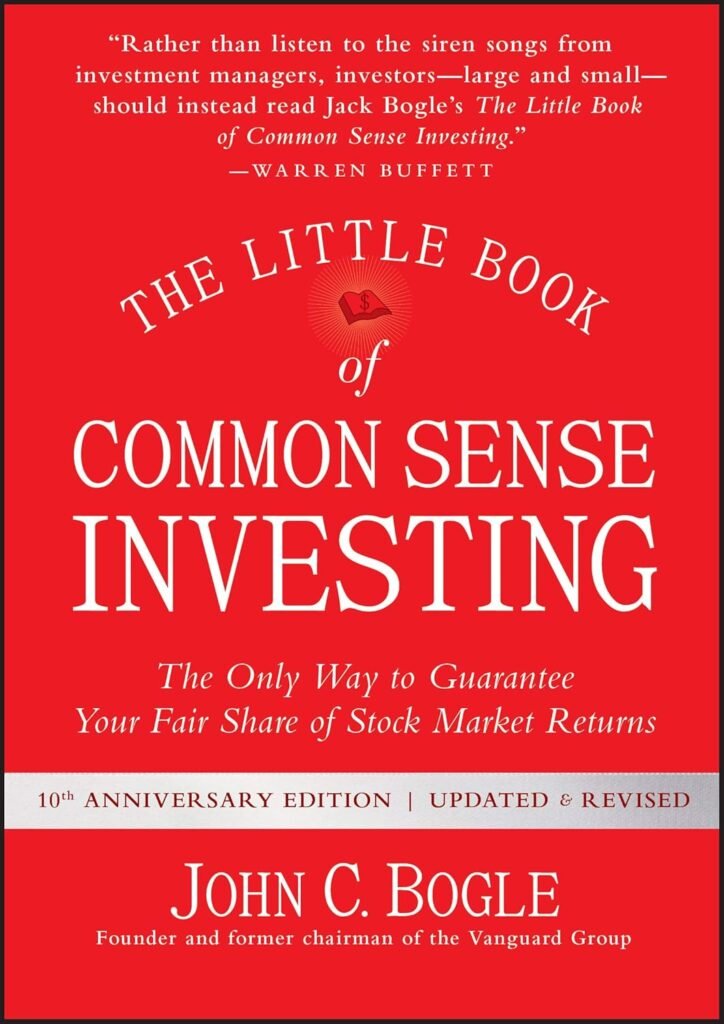
For those interested in diving deeper into the world of index fund investing, check out this highly recommended guide. It offers detailed insights and tips on how to maximize your investments.
Tips for Successful Index Fund Investing
While index fund investing is straightforward, following these tips can help ensure your success:
- Invest Regularly: Making consistent contributions to your index fund can help build your wealth over time.
- Stay Informed: Keep up with market trends and economic news to make informed decisions.
- Rebalance When Necessary: Regularly reviewing your investment portfolio and making adjustments helps maintain your desired asset allocation.
- Keep a Long-Term Perspective: Index funds are best-suited for long-term investment strategies, so it’s important to be patient and avoid reacting to short-term market fluctuations.
In conclusion, index funds offer a simple and cost-effective way to participate in the stock market. By understanding the basics and following best practices, you can use index funds to build a diversified investment portfolio that aligns with your financial goals.