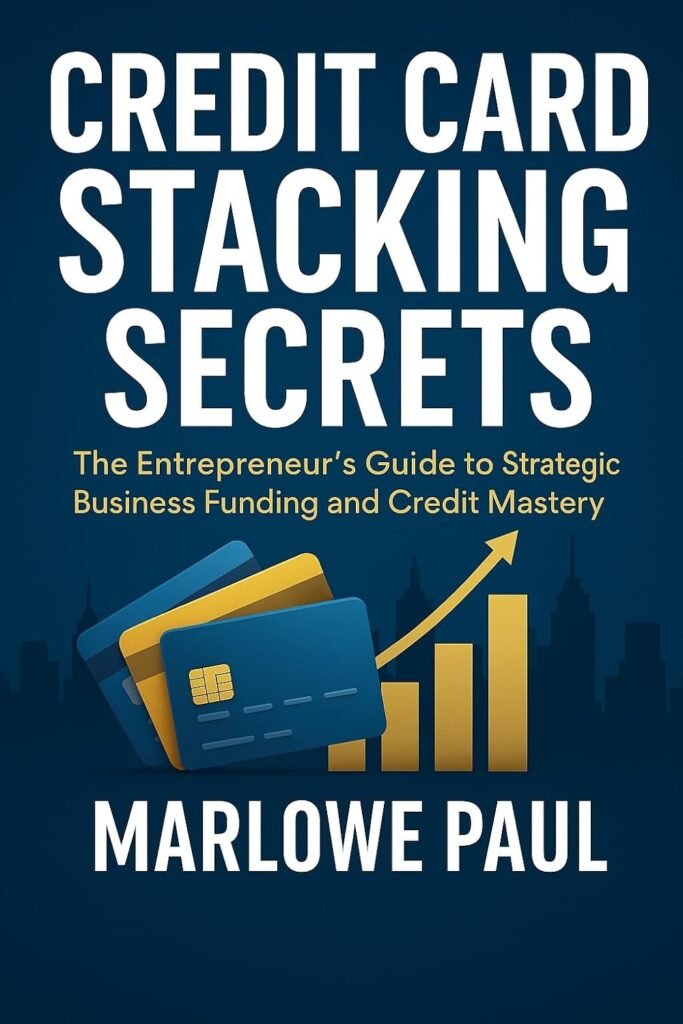
Entering the world of credit cards can feel overwhelming for beginners. However, with the right knowledge and tools, you can easily manage your credit card and maximize its benefits. In this guide, we cover essential tips and insights to help you make informed decisions and effectively manage your credit card. Here are some key points to consider when starting out with a credit card.
1. Understand How Credit Cards Work
Before you dive into using a credit card, it’s vital to understand how they function. Credit cards allow you to borrow money in small increments, which you will need to pay back with interest if not paid in full by the due date. Familiarizing yourself with terms such as APR (Annual Percentage Rate), credit limit, and minimum payment is crucial.
2. Choosing the Right Credit Card
It’s important to select a card that aligns with your financial habits and goals. Consider the following factors:
- Interest Rates: Look for cards with low APRs to save on interest.
- Rewards and Benefits: Choose a card that offers rewards in categories that you spend most on, like groceries or travel.
- Fees: Be aware of annual fees, late payment fees, and foreign transaction fees.
3. Managing Your Credit Card Wisely
Once you have a credit card, it is vital to manage it effectively:
- Always pay your bill on time to avoid late fees and negative impacts on your credit score.
- Try to pay off your balance in full each month to avoid interest charges.
- Keep your credit utilization low by not maxing out your card; aim to use no more than 30% of your credit limit.
To enhance your understanding and ensure you get the most out of your credit card, consider exploring trusted products designed to offer financial insight and tools. Check out [Credit Card Mastery Guide] to learn more about boosting your financial literacy and optimizing your credit card usage.
4. Monitor Your Credit Score
Your credit score is a vital indicator of your financial health and can impact your future borrowing opportunities. Regularly monitor your score to make sure everything remains on track. Some credit cards offer free monthly credit score tracking, which can be a valuable tool for beginners.
5. Be Aware of Common Pitfalls
As a beginner, it’s easy to fall into common credit card traps. Here are some to avoid:
- Overspending: Keep track of your spending to stay within budget.
- Ignoring the Fine Print: Carefully read all terms and conditions before signing up for a card.
- Applying for Too Many Cards: Apply for new cards only as needed to minimize hard inquiries on your credit report.
By arming yourself with knowledge and adopting responsible habits, you can effectively manage your credit card and take advantage of the financial benefits it provides. Whether you’re building credit or aiming for the optimal rewards, these tips will serve you well on your financial journey.