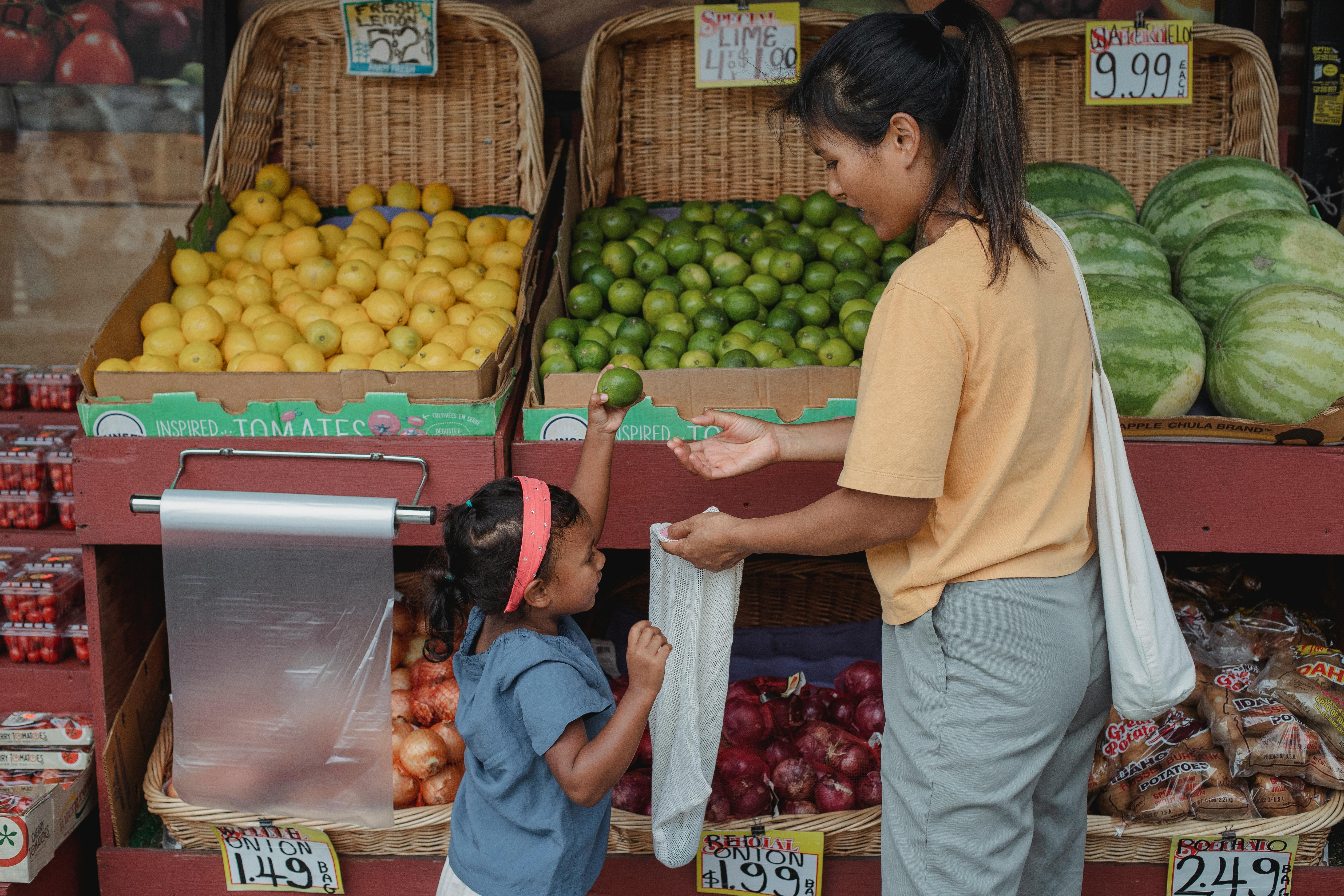
Government Programs That Help Pay for Healthy Groceries
Access to healthy groceries is essential for nurturing a society that is both healthier and more productive. Unfortunately, not everyone has the financial means to afford such products. Recognizing this need, various government programs have been established to help families and individuals gain access to nutritious food. These initiatives are designed to ensure that financial barriers do not prevent healthy eating habits. Below are some of the prominent government programs that assist with paying for healthy groceries.
Supplemental Nutrition Assistance Program (SNAP)
The Supplemental Nutrition Assistance Program (SNAP) is one of the most well-known government initiatives. Formerly known as the “food stamp” program, SNAP provides qualified low-income individuals and families with an electronic card, much like a debit card, that can be used at participating grocery stores to purchase essential food items. Here’s a brief overview of what SNAP covers:
- Fruits and vegetables
- Dairy products
- Meat, poultry, and fish
- Breads and cereals
SNAP plays a crucial role in not only providing financial assistance but also in educating participants about making healthier food choices through programs like SNAP-Ed, which promote healthy eating and active lifestyles.
Women, Infants, and Children Program (WIC)
The Women, Infants, and Children (WIC) program serves pregnant women, new mothers, infants, and children up to age five who are at nutritional risk. WIC offers supplemental foods, healthcare referrals, and nutrition education. Here’s what eligible participants can typically expect:
- Nutrition education and counseling at WIC clinics
- Vegetables and fruits
- Whole grains
- Low-fat or non-fat dairy products
- Soy-based beverages and tofu
This specialized focus on vulnerable groups helps ensure that children receive the vital nutrients they need during critical stages of growth and development.
Commodity Supplemental Food Program (CSFP)
The Commodity Supplemental Food Program (CSFP) serves senior citizens with low incomes by providing them with a monthly package of healthy groceries. The program aims to improve the health of low-income households by supplementing their diets with nutritious USDA Foods. Each package might include:
- Canned fruits and vegetables
- Cheese
- Pasta and rice
- Juice
CSFP primarily aids those aged 60 and above, helping to alleviate the nutritional deficiencies often seen within this group.
Promoting Health With Technology
While government programs offer significant support, leveraging technology can help individuals make the most of their benefits. There are numerous apps and gadgets available to guide healthier food choices and manage nutrition effectively. One such recommendation is the TranquilHea, an innovative gadget that assists in planning meals and tracking nutritional intake. Check out TranquilHea to learn more.
National School Lunch Program (NSLP)
The National School Lunch Program (NSLP) provides nutritious low-cost or free lunches to children in public and nonprofit private schools as well as residential childcare institutions. The aim is to support the nutritional needs of children while they are at school. NSLP operates in over 100,000 public and non-profit private schools and residential child care institutions across the country.
Conclusion
In summary, government programs addressing food insecurity offer crucial support for purchasing healthy groceries. From SNAP to WIC and beyond, these programs are vital for ensuring the public has the means to lead healthier lives. Additionally, complementary resources such as technology can further enhance dietary planning and management, offering users a comprehensive approach to taking charge of their nutrition.